

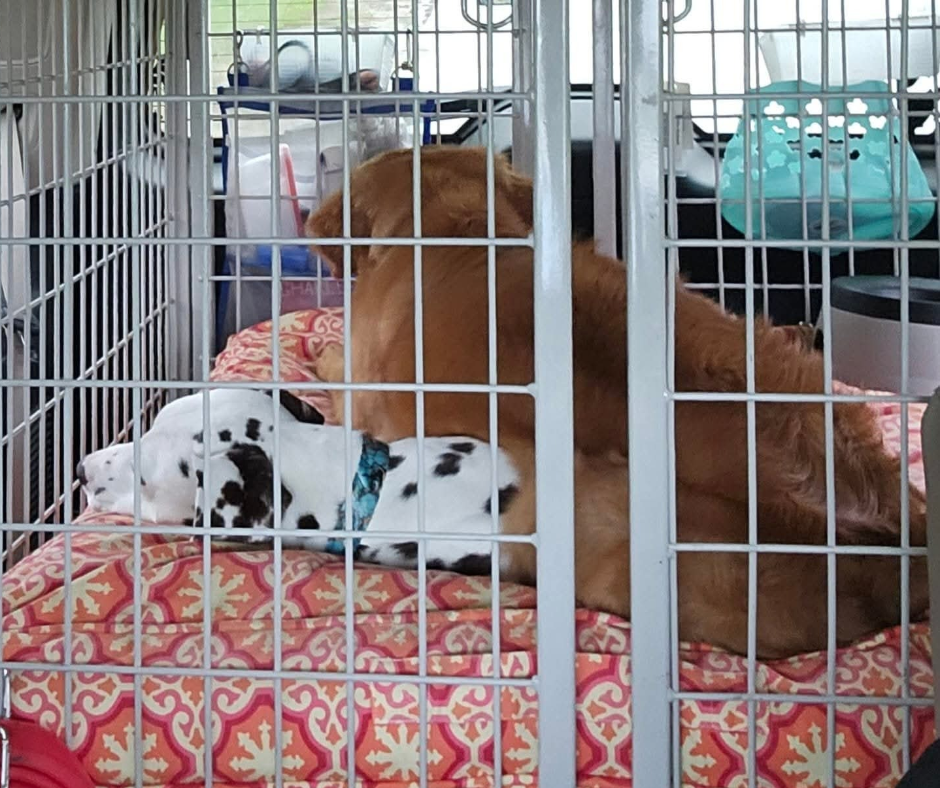
Are you traveling with your pets over the holidays? We know how hard it can be to leave your pets behind, whether you are away for a few days or a few weeks. To help, our team at Ralston Vet has put together a few helpful tips for traveling with your pets.
Whether you are traveling by car or by plane, here is our advice to help keep your pets safe and comfortable on your travels this holiday season.
General Travel Tips:
Make sure your pet is up to date on all their vaccines!
All states and countries have different vaccine requirements, make sure to check what requirements are needed to travel.
- Traveling to a different country
- Traveling to a different state
- Traveling from another country to the United States
Different locations may expose your pet to different diseases. Check if your destination requires any additional vaccines or preventative care.
Verify that your lodging allows pets.
Some locations accept cats but not dogs, or vice versa. If you are staying with friends or family, ensure their pets are comfortable with new animals.
Help your pet become familiar with the carrier before traveling.
If your pet only sees the carrier when visiting the vet, it can cause anxiety. We recommend always leaving the carrier out in your home with the door open so pets can explore it at their own pace.
Placing a blanket or a t-shirt with your scent inside the carrier can help
calm your pet down during trips.
Ensure that your pet’s identification tags are up to date and securely on their collar.
We recommend getting your pet microchipped. If your pet is already microchipped, please verify that your contact information registered with the microchip company is current.
Be prepared for unexpected emergencies
- Keep the address and contact information for the nearest vet clinic andemergency vet clinic easily accessible.
- Carry a pet first aid kit with you. You can purchase one online orassemble one yourself.
- Save the National Animal Poison Control number (1-888-426-4435) in your phone.
Prep your pet’s needs ahead of time.
If they are on medication, please make sure you have enough for the trip. Pack the following items:
- Food
- Water and food bowls
- Medicine
- Toys
- Poop bags
- Leash
- First aid kit
Traveling by Car Tips:
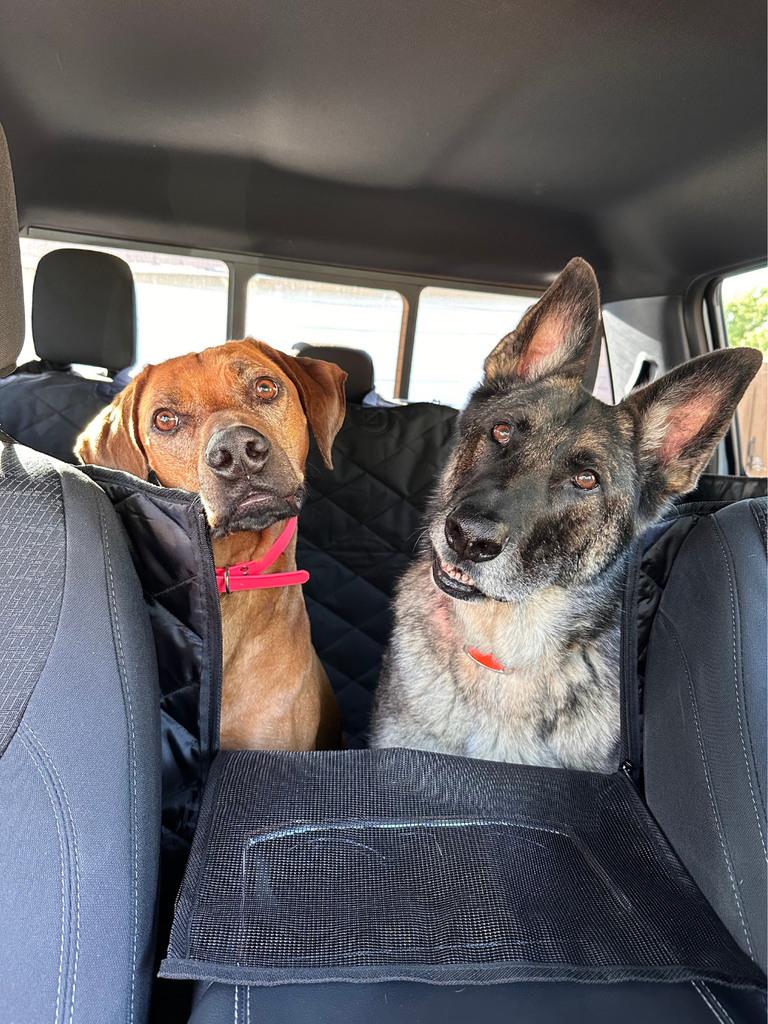
Never allow your pets to sit in the front seat
If the airbag deploys, it can severely injure or kill them. If you drive a pickup truck, never allow them to ride in the truck bed.
Keep your cat secure in a carrier
Ideally, keep your cat buckled in with a seatbelt. For longer trips, choose a carrier large enough to fit a small litter box.
Place smaller dogs in a carrier buckled into the backseat, and secure larger dogs in the cargo area.
Alternatively, use a crash-tested harness buckled to a seatbelt, or install a backseat divider barrier. Using crash-tested harnesses and kennels is one of the best ways to protect your pets in the event of an accident.
Help your pet get over car anxiety.
Take your pet on car rides around town without a destination, allowing them to become accustomed to the car.
- Pro tip: Start with short trips and gradually increase the length of your drives as your pet becomes more comfortable. Do not leave them alone in the car.
Food and Bathroom schedule
- Maintain your pets on their normal feeding schedule as best you can. If they are prone to motion sickness, feed them smaller portions while on the road.
- Let your dog out to relieve themselves every time you stop for food or to use the bathroom. Also, offer them water during these stops to keep them hydrated.
Traveling by Plane Tips:
Before booking your flight, make sure to check the airline’s requirements regarding pet travel.
Because policies vary by airline, we recommend contacting them directly to ask the following questions:
- General questions to ask:
- Can my pet travel with me in the cabin or do they have to go in the cargo hold?
- What is the fee for traveling with my pet?
- What are the approved carrier dimensions and requirements for my pet?
- What is the check-in procedure for my pet?
- What documentation is required?
- If Your Pet Must Travel in Cargo questions to ask:
- Is the cargo hold temperature-controlled and pressurized?
- Will I be allowed to see my pet during a layover? (We strongly recommend booking a nonstop flight if possible.)
- If not, is there an option for a potty break and walk during layovers?
- Is there a tracking option for my pet?
- Where do I pick up my pet after landing?
Pro Tips
- During cold months, choose afternoon flights when the temperatures are a little warmer. In the warm weather months, choose early morning or late evening flights, when the temperatures are generally not as hot.
- Carry your pet’s photo and health information with you in case something goes wrong, you have everything easily accessible.
The Day Before Travel
- Reconfirm your flight arrangements and reconfirm answers to your pet safety questions.
- If your pet is traveling in the cabin with you, arrange a late check-in to reduce the amount of time they will be in the terminal.
Day of travel tips:
- Exercise your dog and give them the opportunity to relieve themselves before putting them in their carrier.
- If your pet is traveling with you in the cabin, take your pet out of the carrier right before passing through security and putting their carrier through the x-ray tunnel. Once the carrier has been through the x-ray machine, place your pet back in the carrier in a safe area away from the conveyor belt.
- If your pet is traveling in the cargo hold, tell every airline employee you interact with that you are traveling with a pet in the cargo hold. This way,employees check on your pet in case of delay or other issues.
- Pick up your pet directly after landing.
Traveling can be stressful, especially during the holiday season, and bringing a pet along adds an extra layer of complexity. We want to help make traveling with your pet as simple and seamless as possible.
If you have any questions or need further information, please feel free to email us at [email protected] or call/text us at 402-331-6322
